1. Diagnosis & Assessment: Cardiologists evaluate symptoms like chest pain, palpitations, or dizziness using tests such as EKGs, echocardiograms, stress tests, and cardiac CT scans.
2. Treatment & Management: They manage heart failure, coronary artery disease, and valve issues through medication, lifestyle counseling, and specialized therapies.
3. Preventive Care: They identify risk factors like high blood pressure, high cholesterol, and diabetes to prevent heart attacks and strokes.
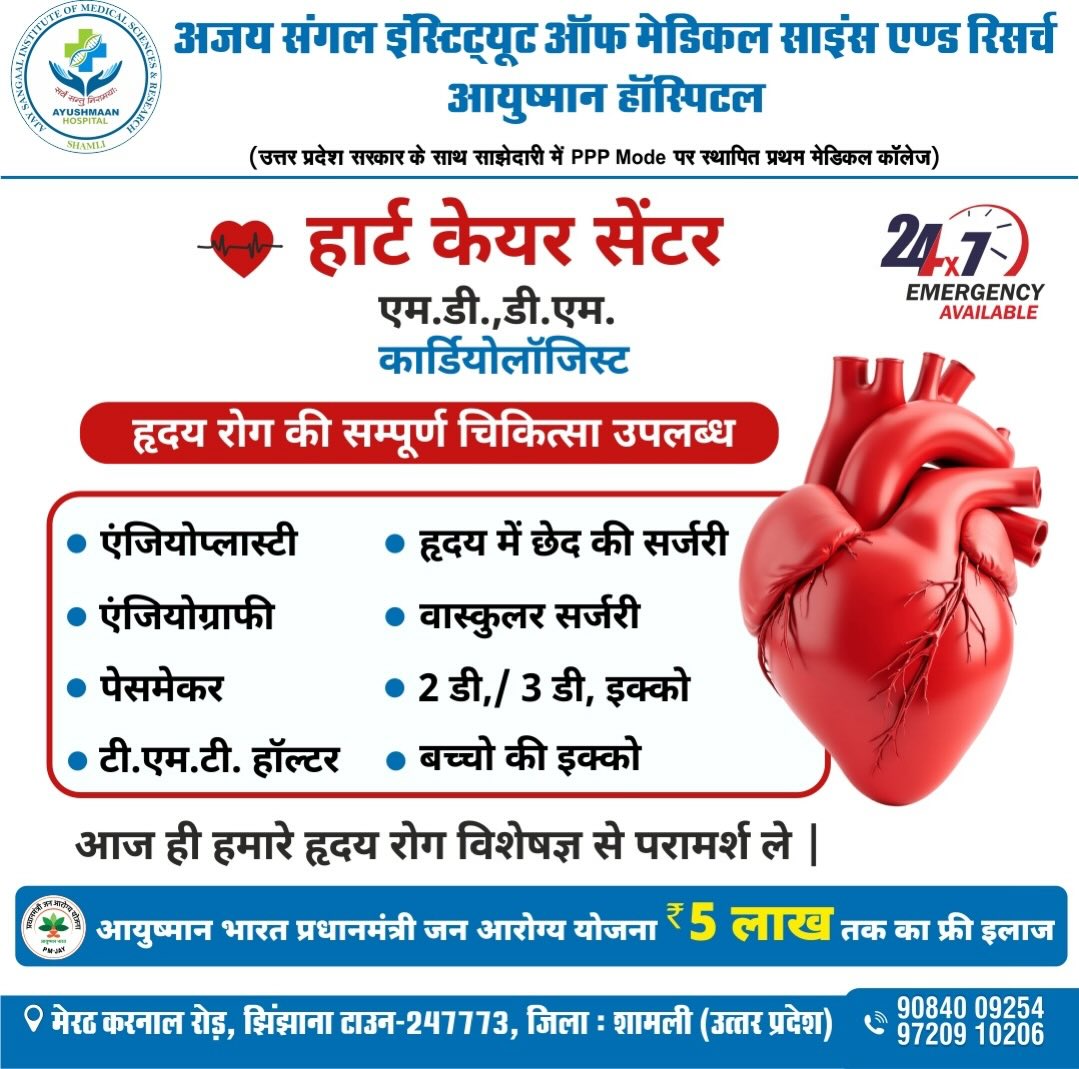
4. Interventional Procedures: Specialized cardiologists perform, for example, angioplasty and stenting to open blocked arteries, or ablation procedures for heart rhythm issues.
5. Interventional Cardiologist: Uses catheters for non-surgical procedures to treat damaged vessels or narrowed arteries.
6. Electrophysiologist: Specializes in heart rhythm disorders (arrhythmias) and implants devices like pacemakers.
7. Heart Failure Specialist: Focuses on treating advanced heart failure with specialized, long-term therapies.
8. Imaging Cardiologist: Interprets complex cardiac images (CTs, MRIs) to diagnose conditions.
Date: 2026-04-05
 Hospital Emergency +91 97292-22337
 Email info@asimsr.com